Training infrastructure
Methods that decide what machines should learn from and how physical information should influence learning.
Software / model layerThe company
How can human physical expertise become a durable resource for machine learning?
EARLY RESEARCH STAGECompany thesis
PlainHand turns a focused question into software experiments, sensing infrastructure, data-generation tools, and eventually reusable learning infrastructure. The research exists to de-risk the company direction.
The company exists to compound those findings into durable technology and data assets while preserving the difference between what is designed, what is being tested, and what the evidence supports.
Company pillars
Methods that decide what machines should learn from and how physical information should influence learning.
Software / model layerCompatibility gates, matched baselines, reproducible measurement, portability tests, and explicit claim boundaries.
Research operating systemStaged sensing, a sensorized glove, future robot-native collection, and correction records.
Compounding data assetFuture hand prototypes used to execute, measure, and generate physical interaction before they are products.
Research instrumentOperating principles
The north star is whether machines gain more useful physical capability from each demonstration.
The evidence standard is equally simple: performance claims follow matched, reproducible evidence rather than the ambition of the architecture.
See the governing evidence programFounder
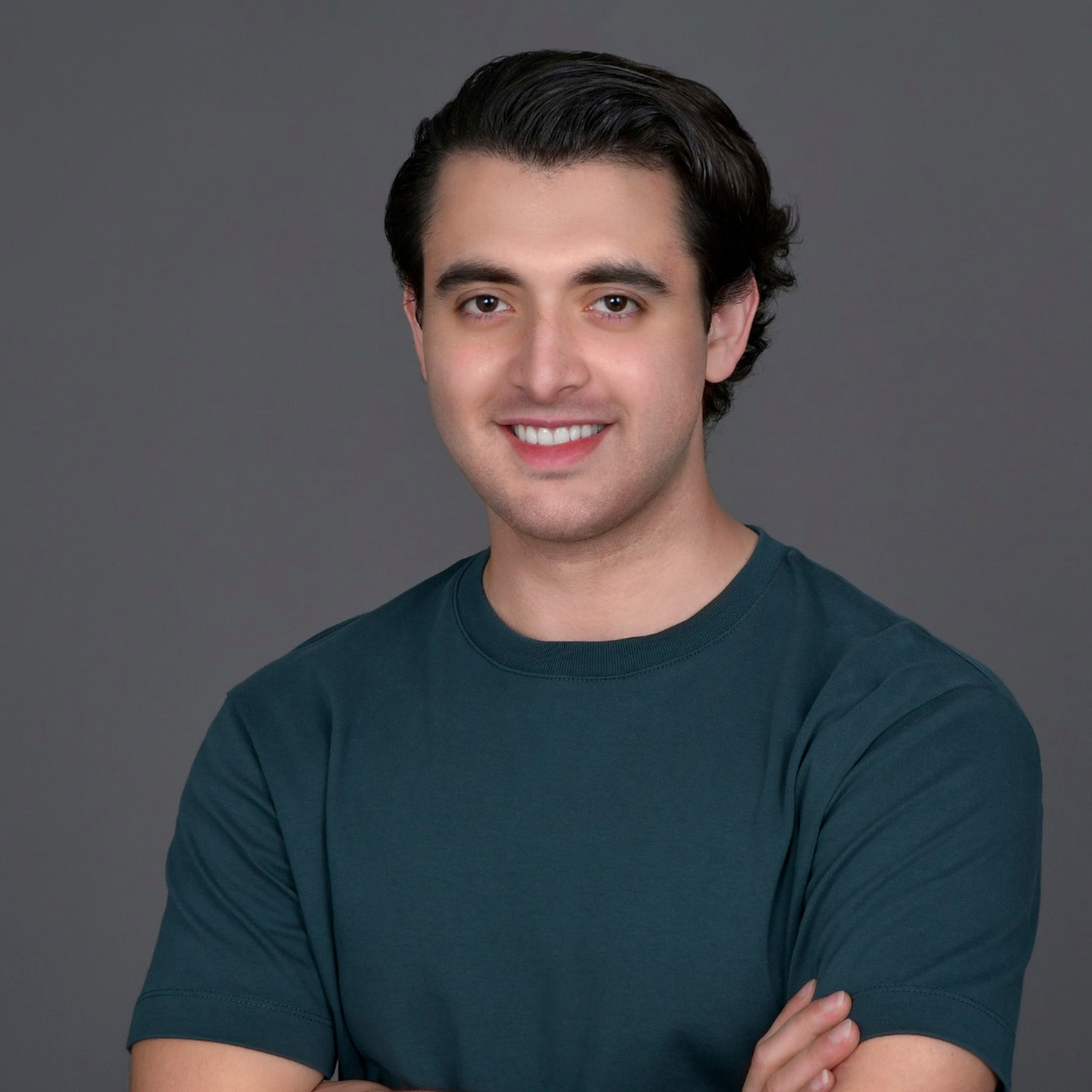
Founder and CEO
Levi leads PlainHand around one company-building question: how human physical expertise can become reusable training infrastructure for dexterous machines.